
Struggling with a cramped sleeping area? These tiny bedroom ideas are specifically curated to help you reclaim your space and turn a tiny footprint into a luxurious retreat. You do not need a mansion to have a bedroom that feels airy, organized, and perfectly tailored to your personal style.
Whether you are living in a studio apartment or a compact urban home, our collection of tiny bedroom ideas focuses on smart furniture placement and vertical storage solutions. Let us dive into how you can use color, light, and multifunctional pieces to completely revolutionize your living environment today.
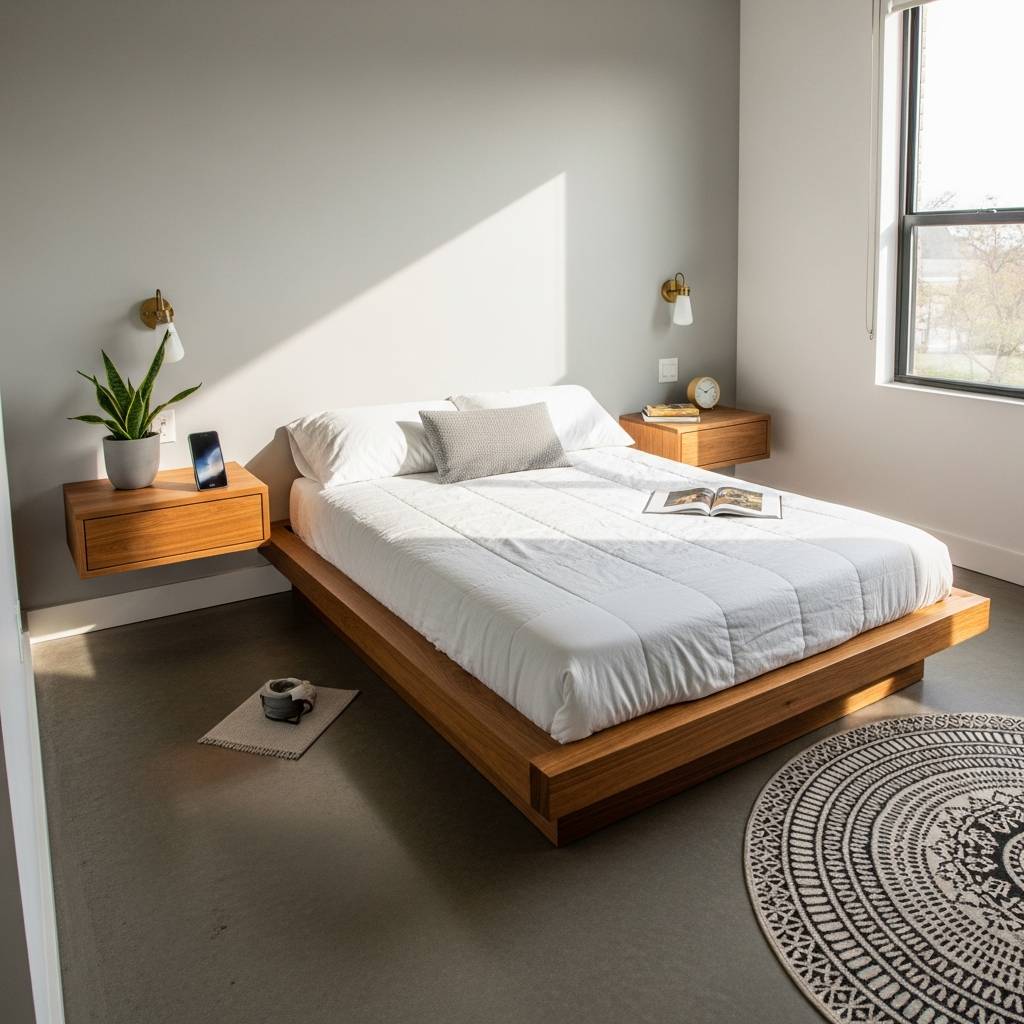
1. Install Floating Nightstands
When floor space is at a premium, floating nightstands are a game changer. By mounting your bedside tables directly to the wall, you keep the area underneath clear, which creates the visual illusion of more floor space. This setup also makes cleaning much easier and provides just enough room for a lamp and your phone without the bulk of a traditional nightstand.
2. Utilize Under-Bed Storage Drawers
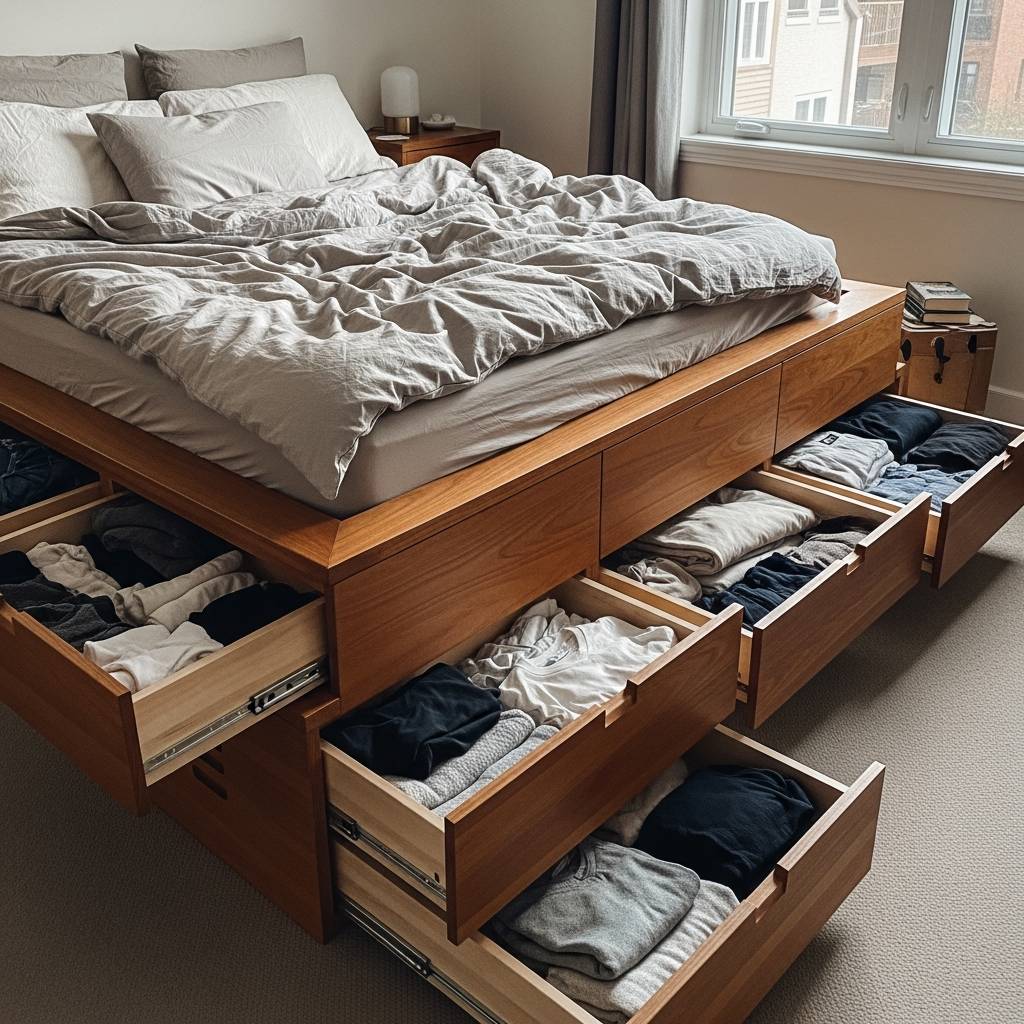
The space beneath your bed is often wasted, but it is actually one of the most valuable storage areas in a small room. Opt for a bed frame with built-in drawers or use sleek rolling bins to store off-season clothing, extra linens, or shoes. Keeping these items hidden helps reduce visual clutter and keeps the room feeling organized.
3. Go Vertical with Floor-to-Ceiling Shelving
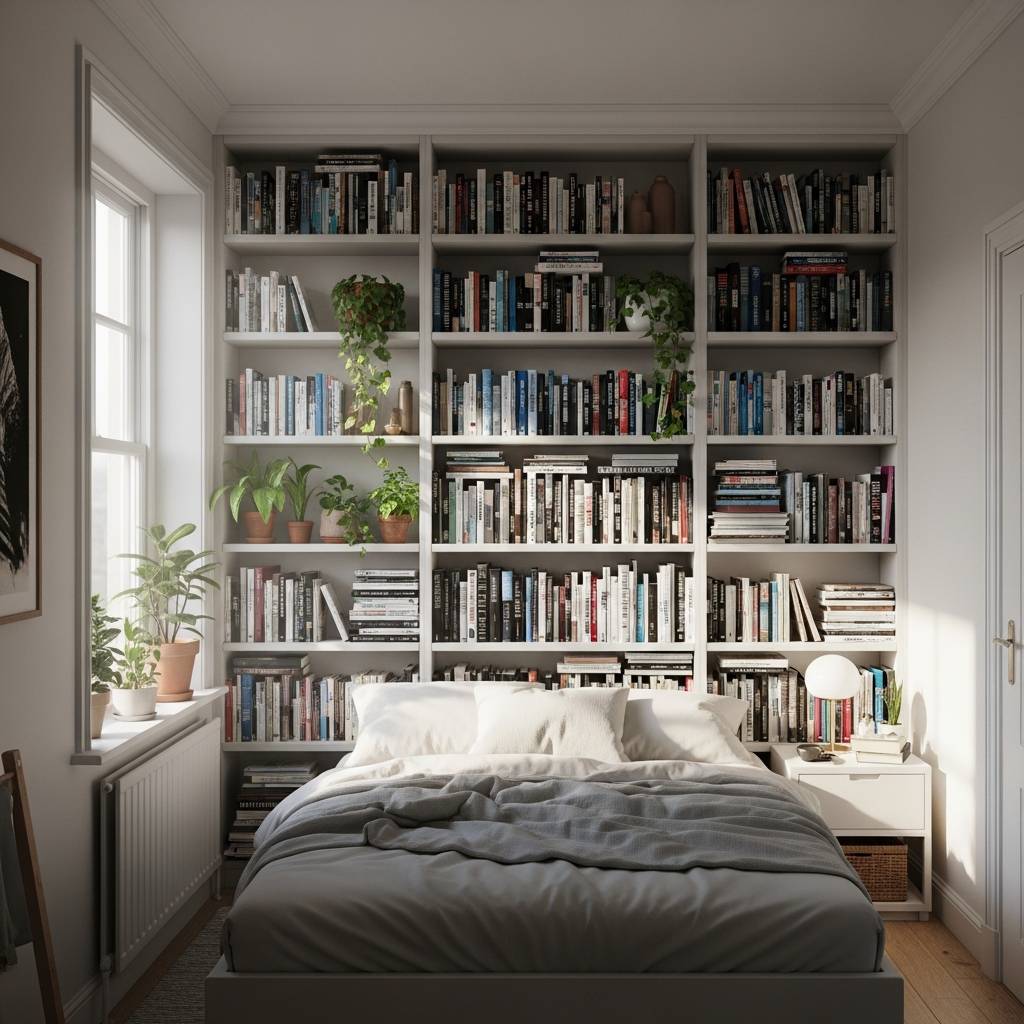
If you cannot expand outward, you must expand upward. Floor-to-ceiling shelving units draw the eye toward the ceiling, making the room feel taller. Use the higher shelves for items you rarely need and the lower ones for daily essentials or decorative pieces. This adds both personality and functionality to a narrow wall.
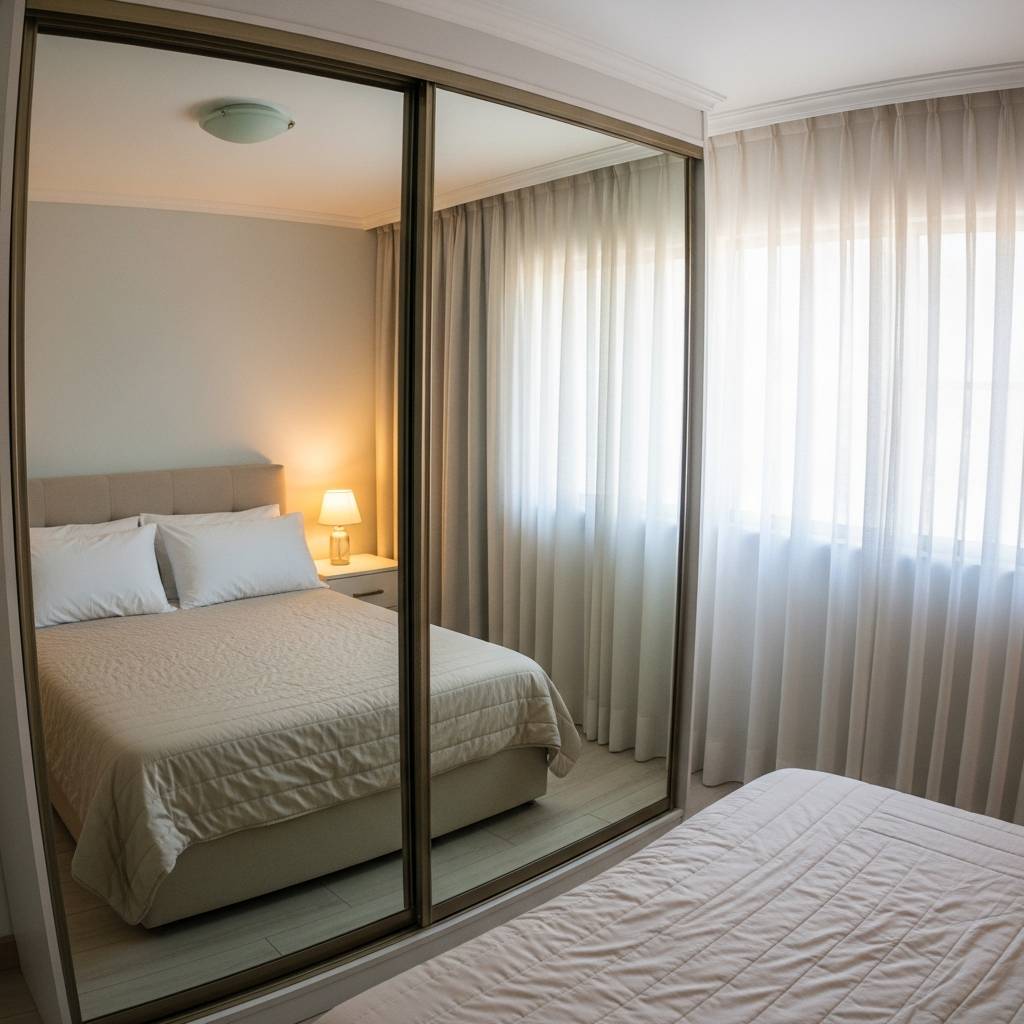
4. Incorporate Large Mirrored Wardrobes
Mirrors are the oldest trick in the book for making a room feel twice its size. By installing mirrored doors on your wardrobe, you reflect the entire room back, instantly doubling the perceived depth. This also helps bounce natural light around the space, making it feel much brighter and more welcoming throughout the day.
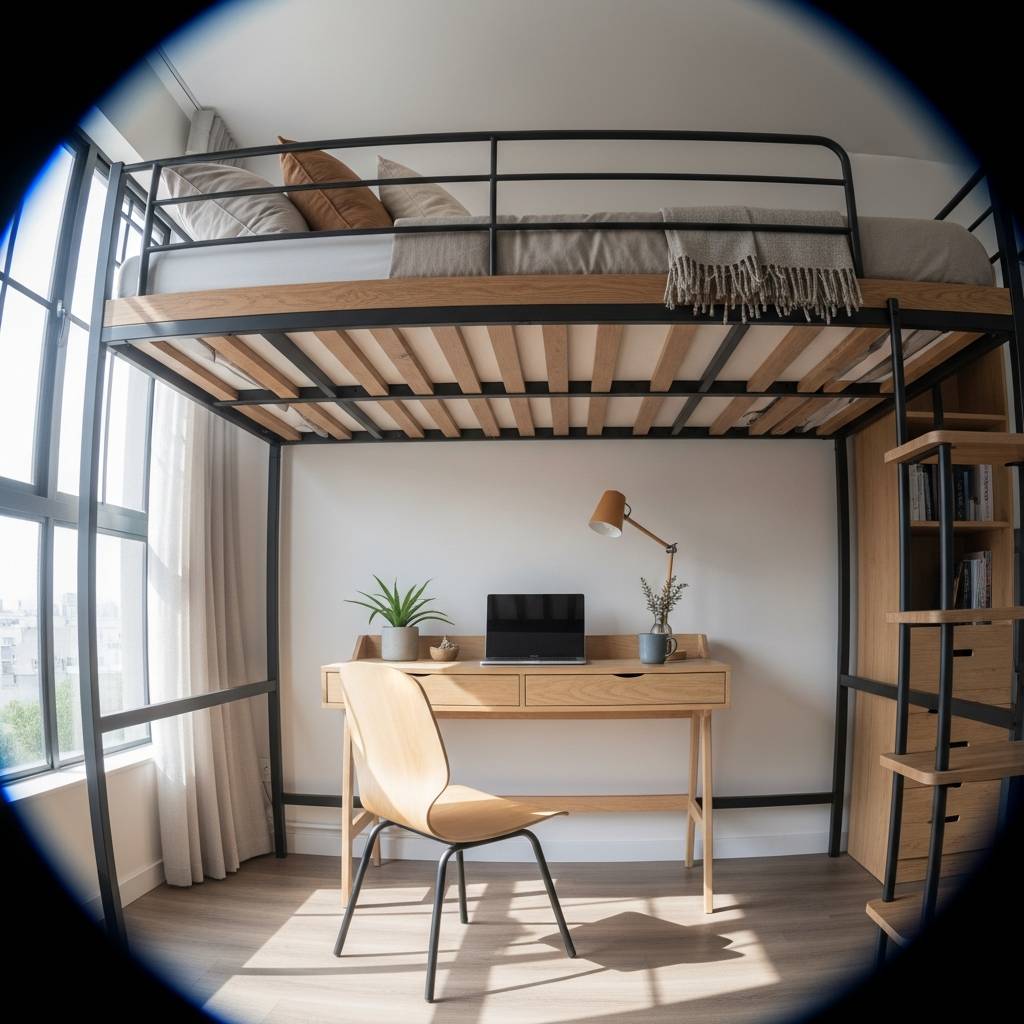
5. Opt for a Loft Bed Solution
Loft beds are not just for kids; they are an incredible way to free up an entire room’s worth of floor space. By elevating your sleeping area, you create a large void underneath that can be used for a home office, a cozy reading nook, or even a walk-in closet. This vertical living approach is perfect for studio apartments.
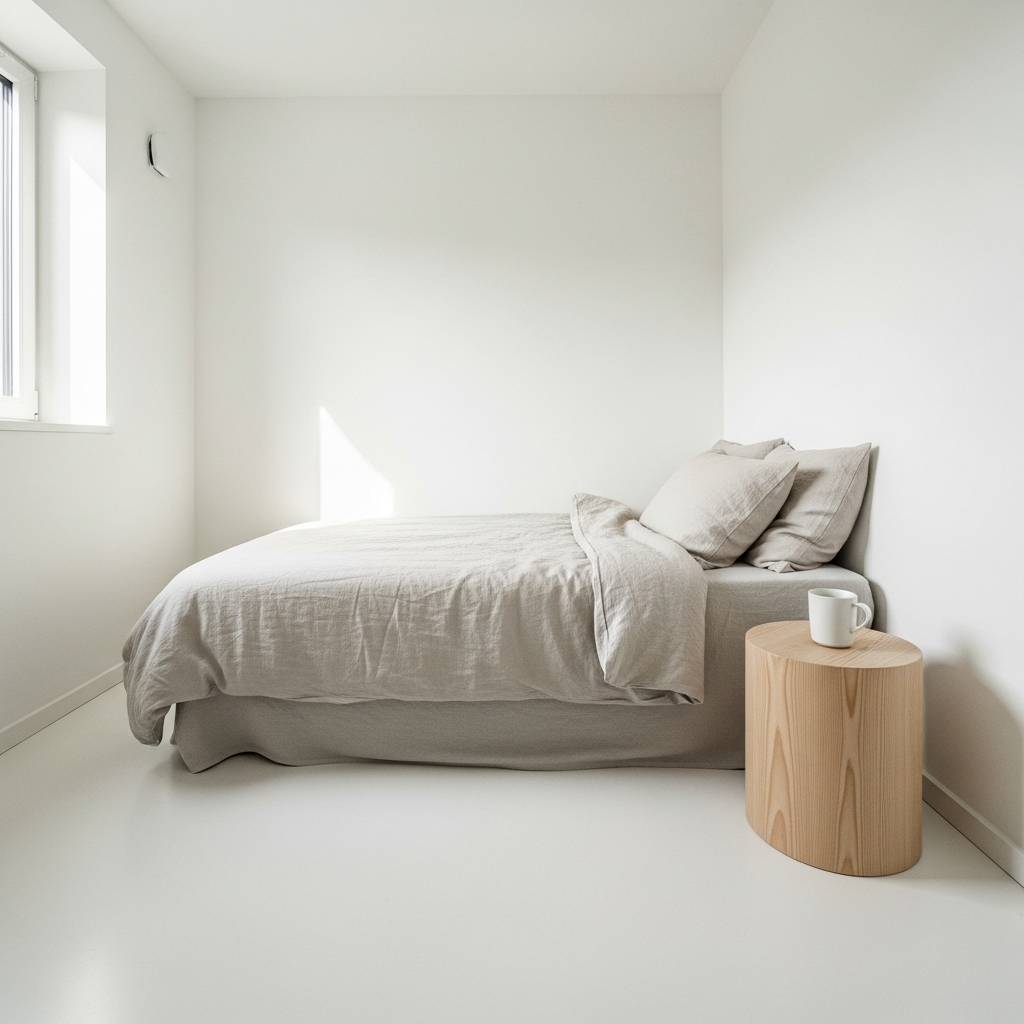
6. Stick to a Light and Airy Color Palette
Dark colors can make a small room feel like a cave, whereas light shades like soft white, pale grey, or pastel blues reflect light. Keeping your walls and bedding in a cohesive light palette helps the boundaries of the room blur, making the space feel open and limitless. You can add pops of color through small accessories.
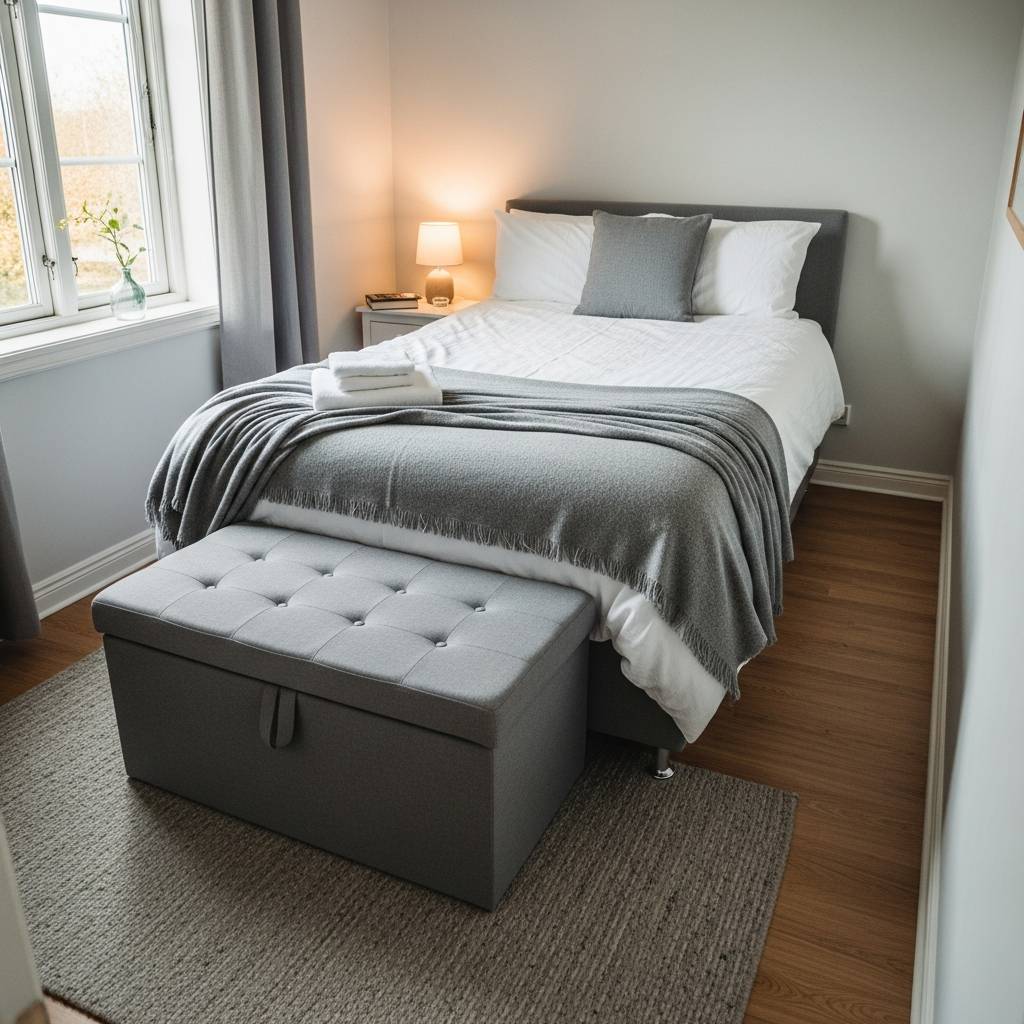
7. Choose Multi-Functional Furniture
In a tiny bedroom, every piece of furniture should work double duty. Consider a storage ottoman at the foot of the bed that serves as a seat and a place for extra blankets. Or, choose a headboard with built-in shelving to eliminate the need for extra furniture pieces. Efficiency is key to maintaining a clean layout.
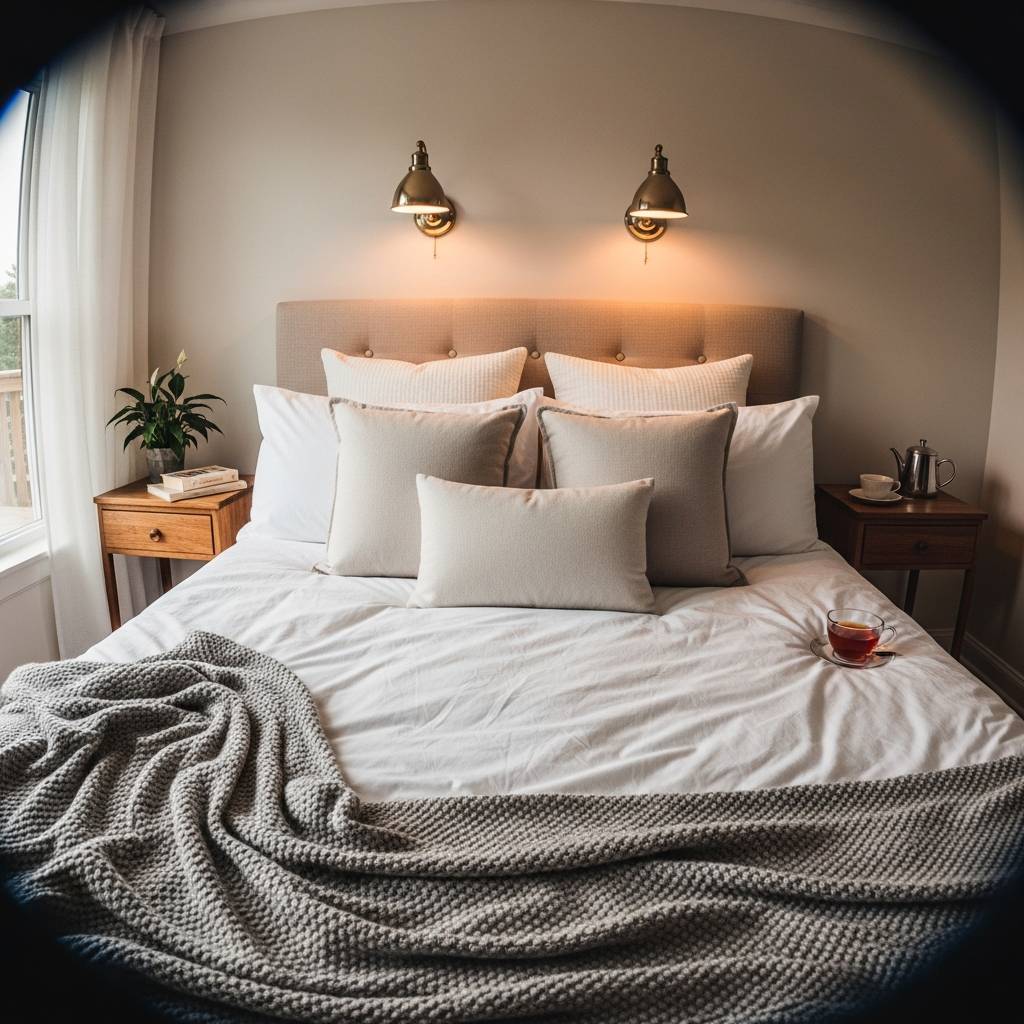
8. Mount Sconces Instead of Table Lamps
Table lamps take up valuable surface area on your nightstand. By switching to wall-mounted swing-arm sconces, you free up that space for books or a glass of water. Sconces also add a sophisticated, hotel-like feel to the room and allow you to direct light exactly where you need it for reading.
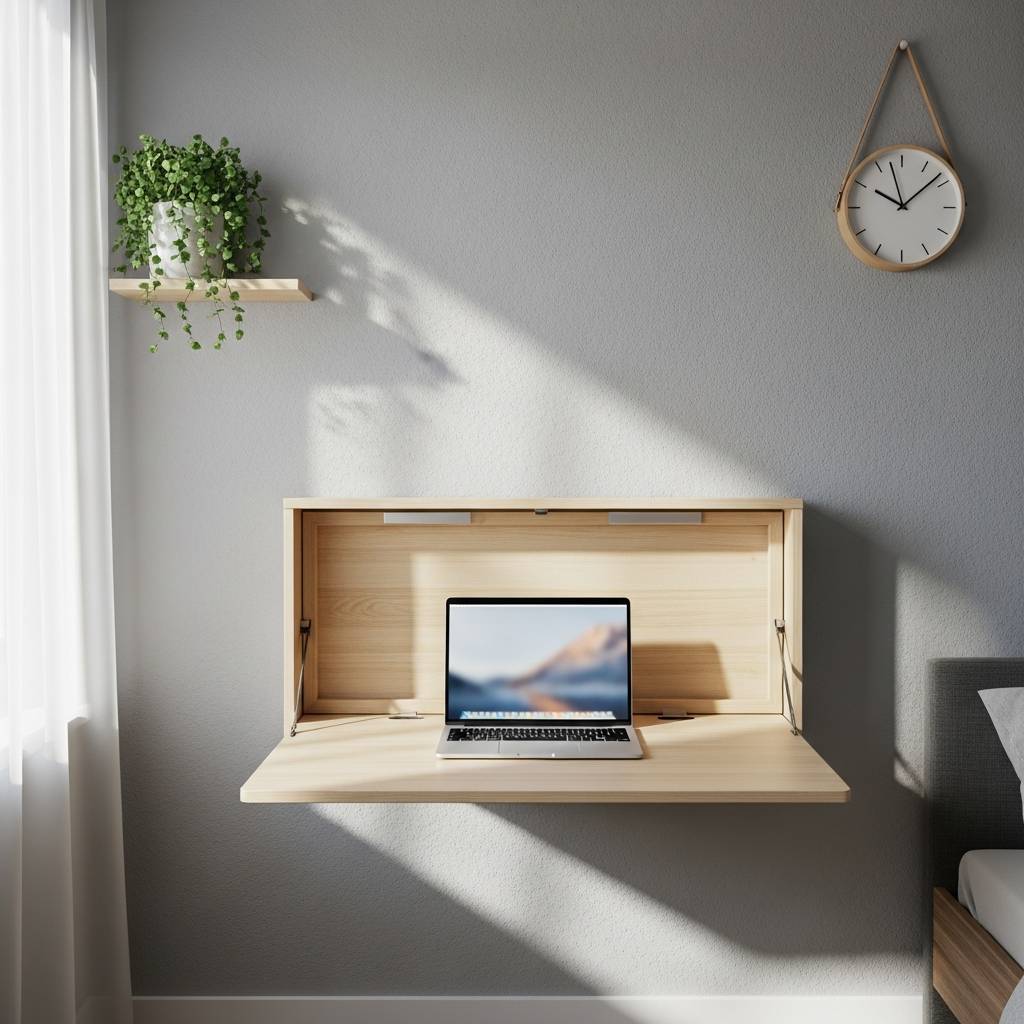
9. Install a Fold-Down Murphy Desk
If you need a workspace but don’t have the room for a permanent desk, a fold-down or Murphy desk is the answer. These units stay flat against the wall when not in use and provide a sturdy surface whenever you need to work. It is a fantastic way to incorporate a home office into your bedroom without losing walking space.
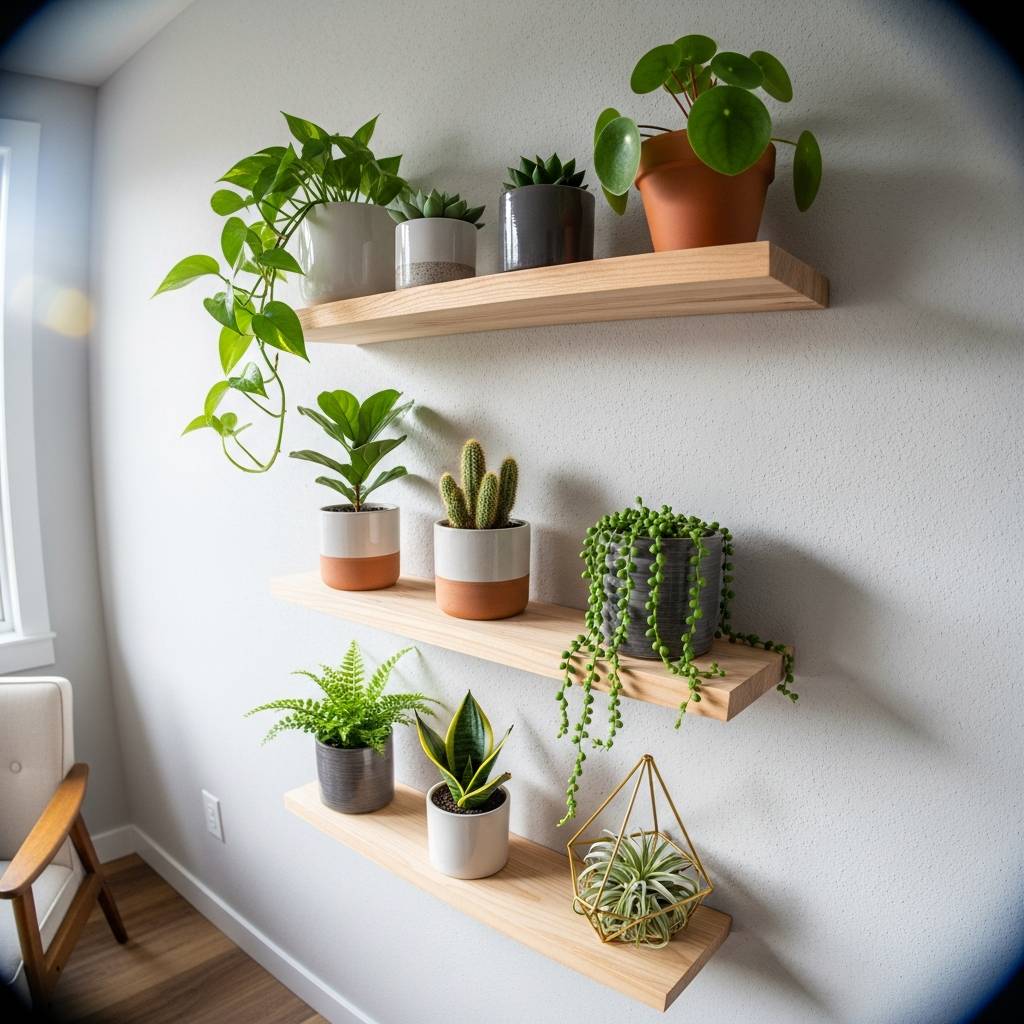
10. Use Corner Shelving to Save Space
Corners are frequently ignored in interior design, but in a small bedroom, they are prime real estate. Installing small floating corner shelves allows you to display decor or store small items without infringing on the main pathways of the room. It turns an awkward corner into a functional focal point.
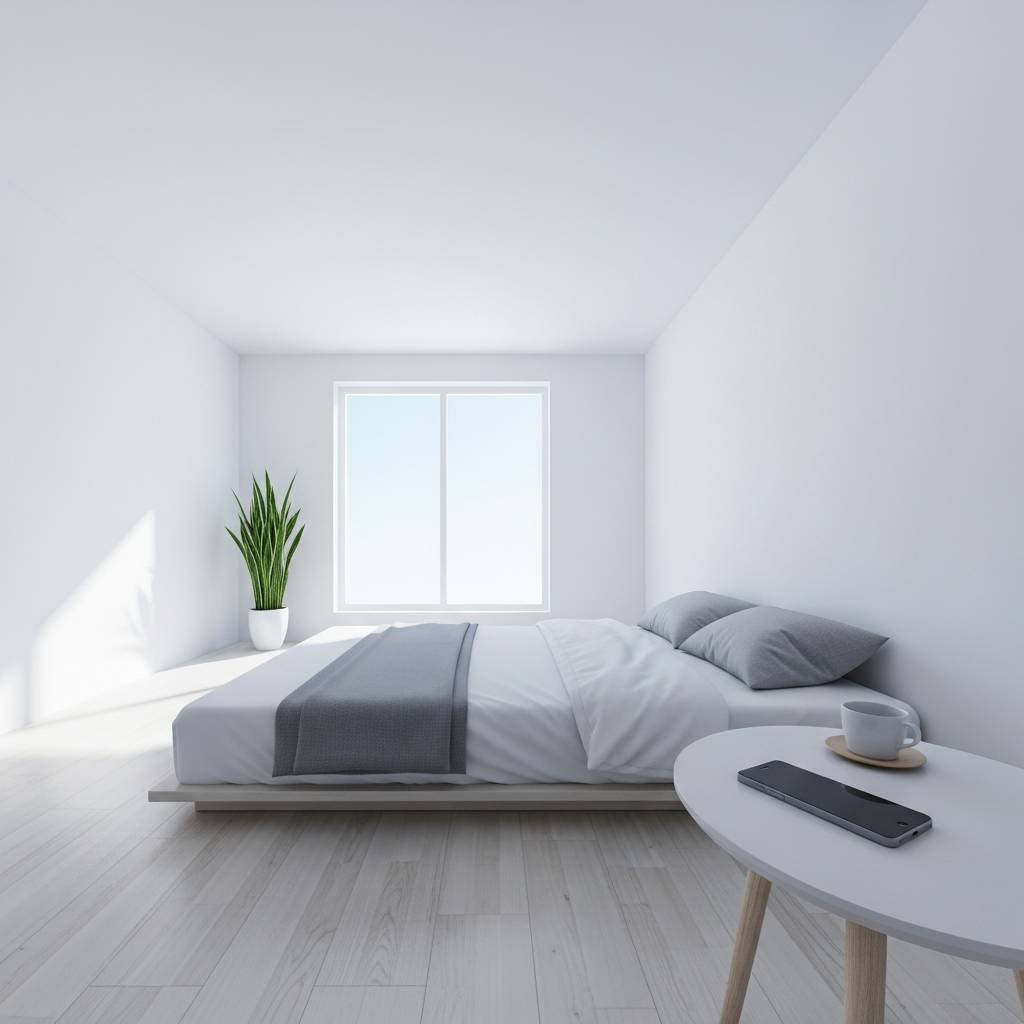
11. Embrace a Minimalist Decor Style
The more items you have in a room, the smaller it will feel. Embracing minimalism means only keeping the things you love and use. By reducing the number of decorative trinkets and sticking to clean lines, you create a serene environment that feels calm and spacious rather than cluttered and overwhelming.
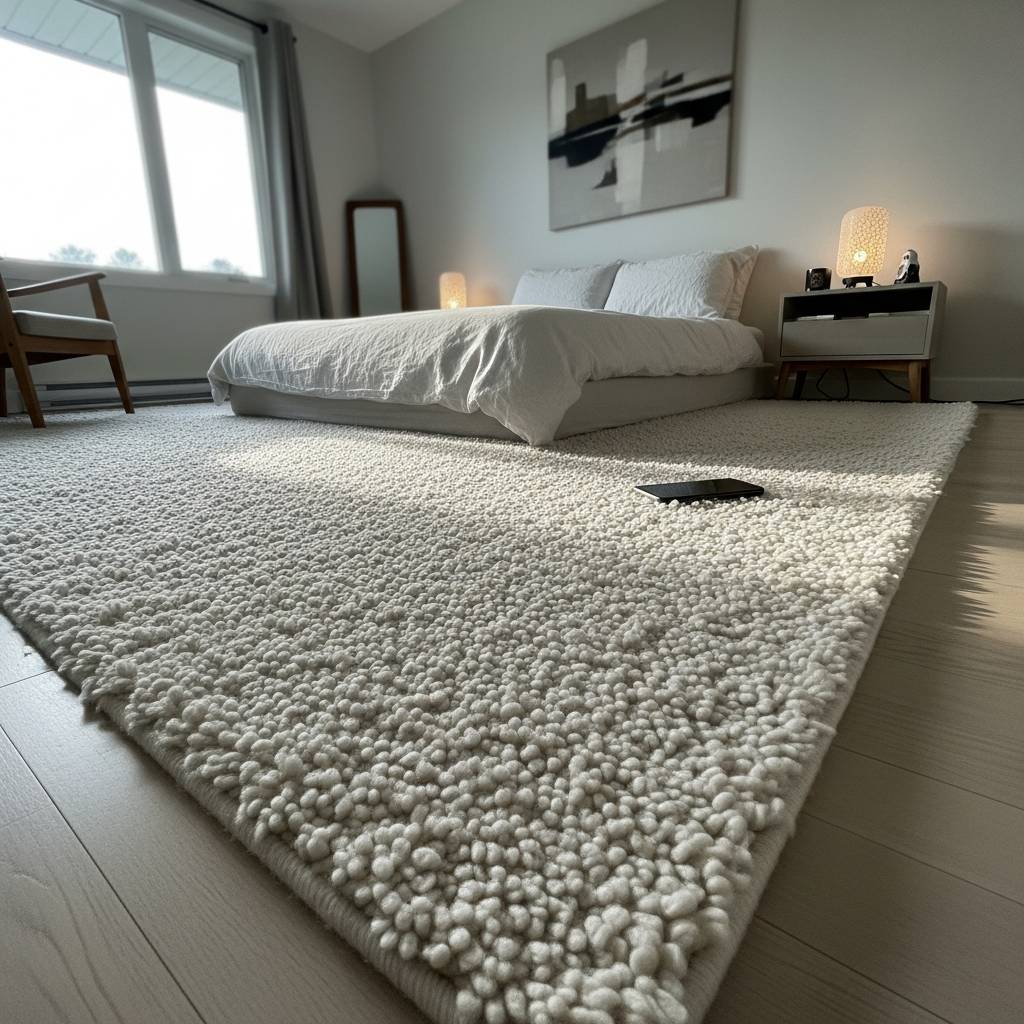
12. Anchor the Room with a Large Area Rug
It might seem counterintuitive, but a small rug can make a room look smaller. A large area rug that extends under the bed and covers most of the floor anchors the furniture and makes the floor plan feel more expansive. Choose a light color or a subtle pattern to keep the vibe relaxed and cohesive.
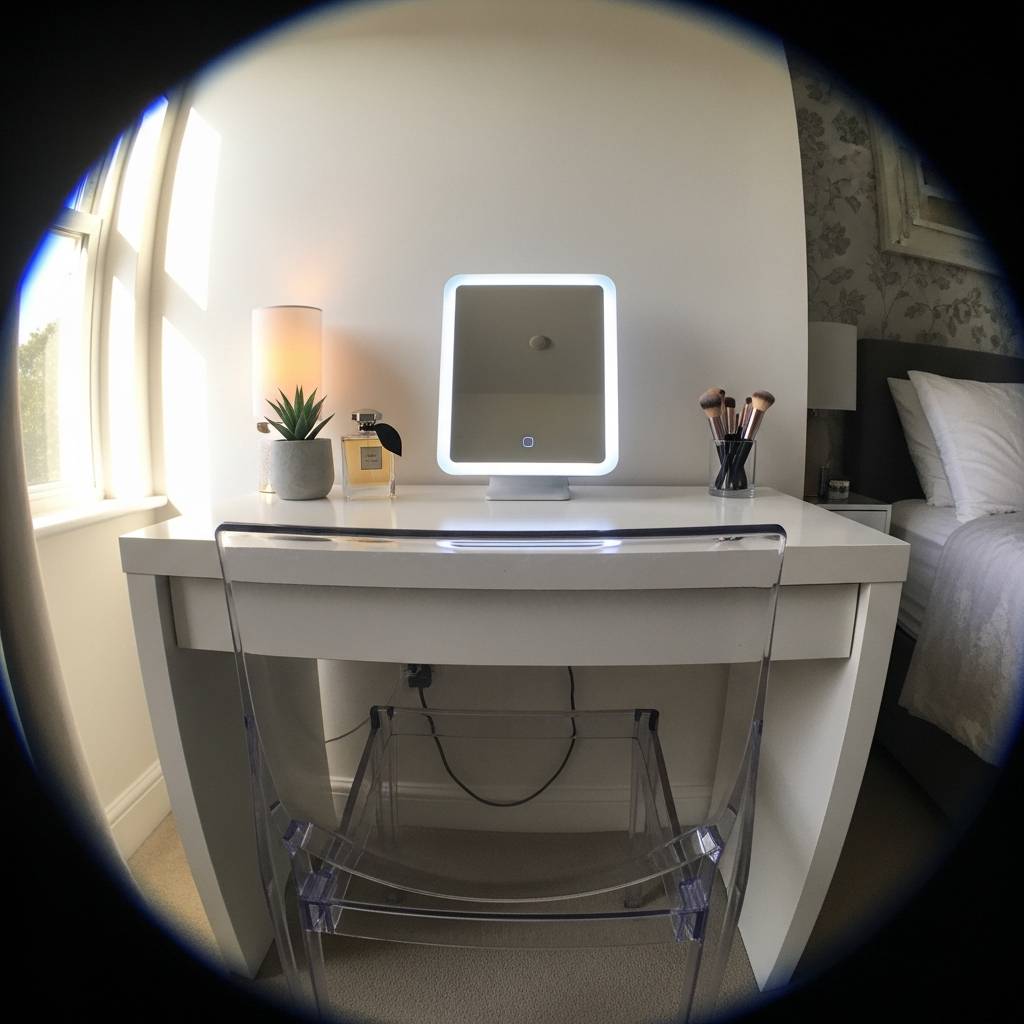
13. Incorporate Transparent Furniture Pieces
Transparent furniture, such as acrylic ‘ghost’ chairs or glass-topped tables, are perfect for tiny spaces because they take up zero visual weight. You get the functionality of the piece without it looking like it is occupying space, which helps maintain an uninterrupted line of sight across the room.
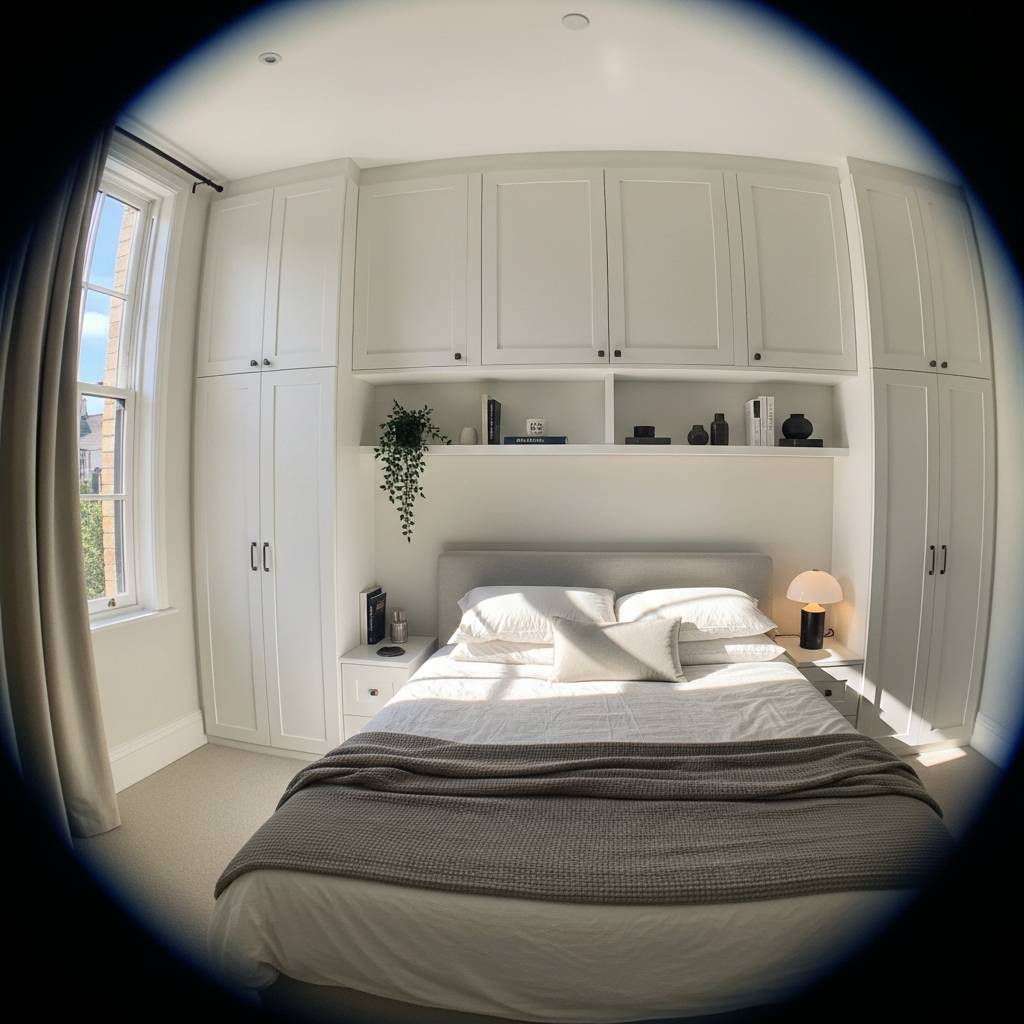
14. Build Seamless Custom Cabinetry
If your budget allows, custom built-in cabinets that wrap around the bed or cover an entire wall can maximize every square inch. Because they are designed to fit your specific room dimensions, they look like part of the architecture rather than bulky furniture, providing massive storage in a sleek way.
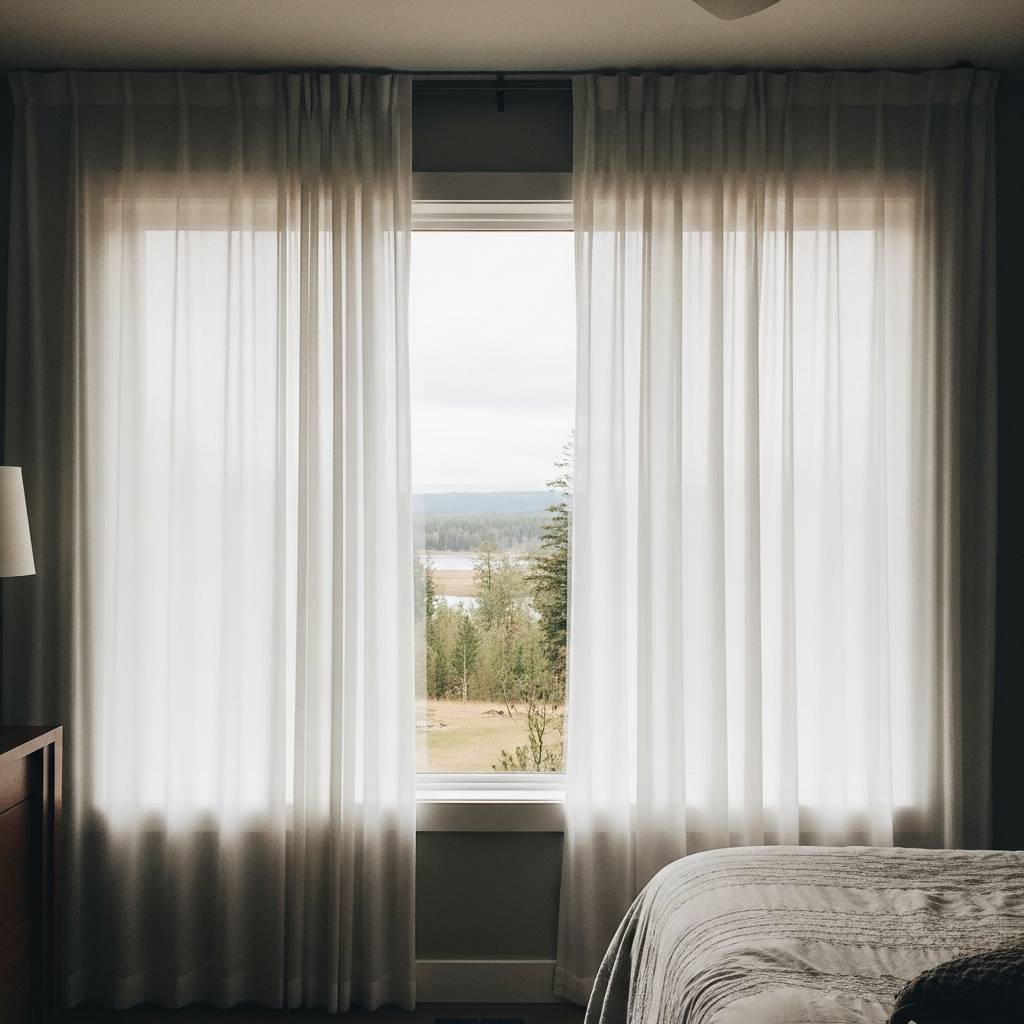
15. Hang Curtains High and Wide
To make your windows look larger and your ceilings taller, hang your curtain rod as close to the ceiling as possible and extend it wider than the window frame. This trick draws the eye upward and outward, giving the illusion of a much grander space and letting in the maximum amount of light when open.
16. Replace Swing Doors with Sliding Barn Doors
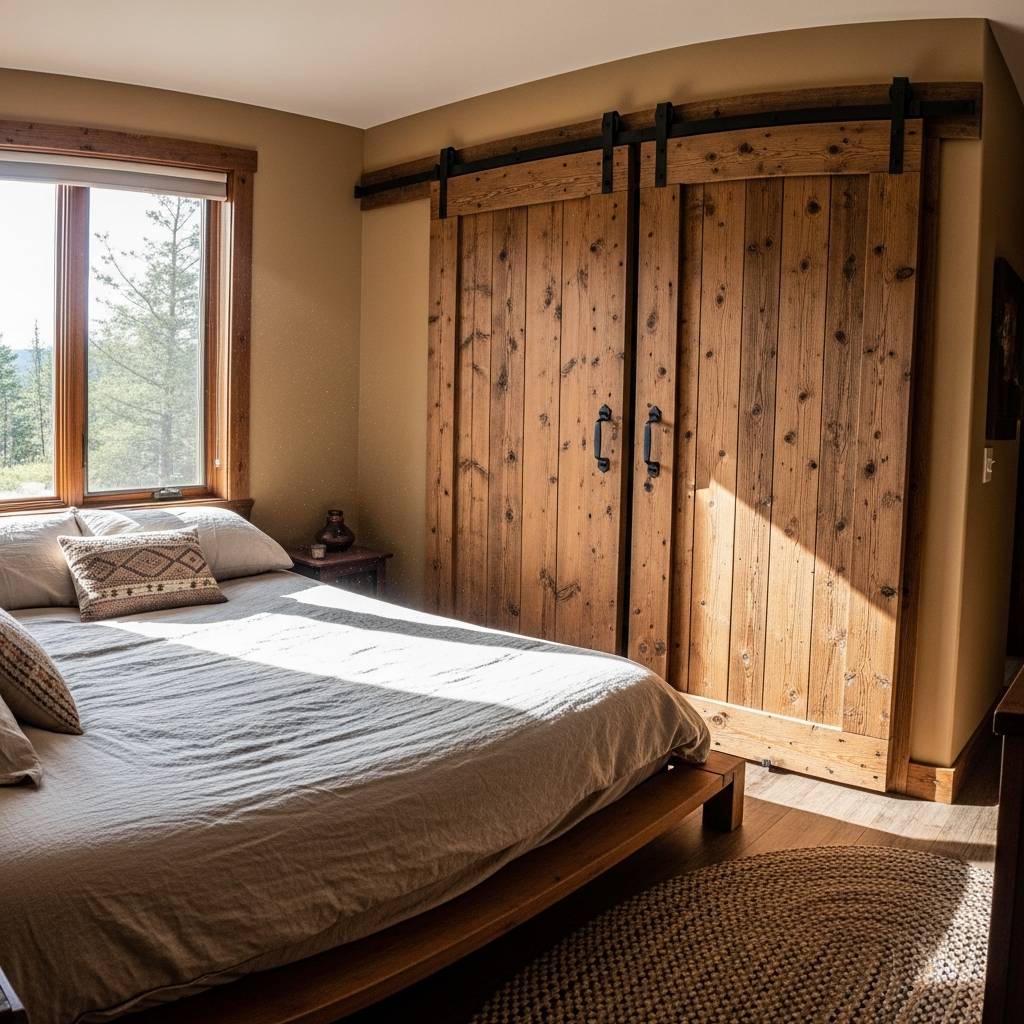
Traditional doors require a ‘swing zone’ that can take up several square feet of floor space. Replacing your closet or bedroom door with a sliding barn door or a pocket door eliminates this need. It allows you to place furniture closer to the doorway, which is a massive advantage in tight layouts.
17. Create a Pegboard Organizational Wall
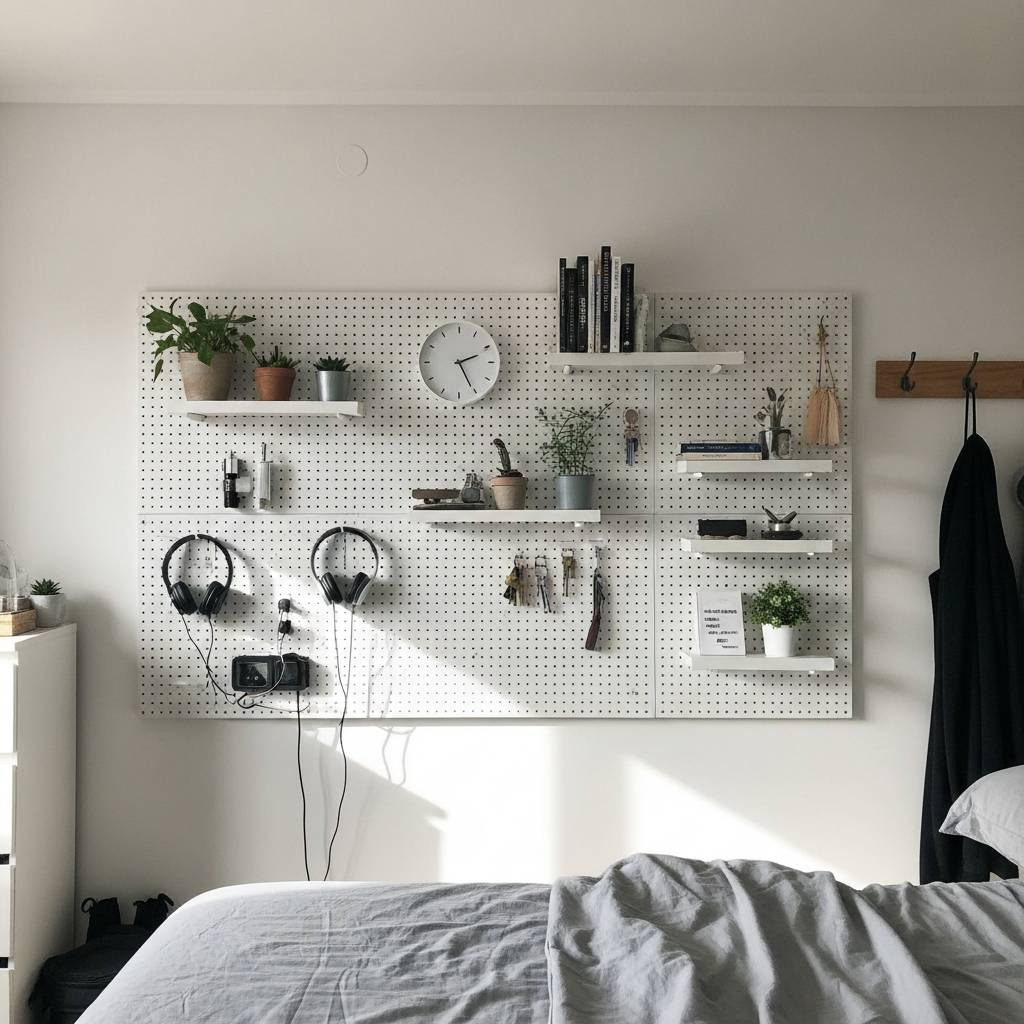
Pegboards are highly versatile and take up almost no depth. You can hang them on a spare wall to hold everything from jewelry and hats to small baskets for electronics. The best part is that you can rearrange the hooks and shelves whenever your storage needs change, keeping the room dynamic and tidy.
18. Stick to a Monochromatic Color Theme
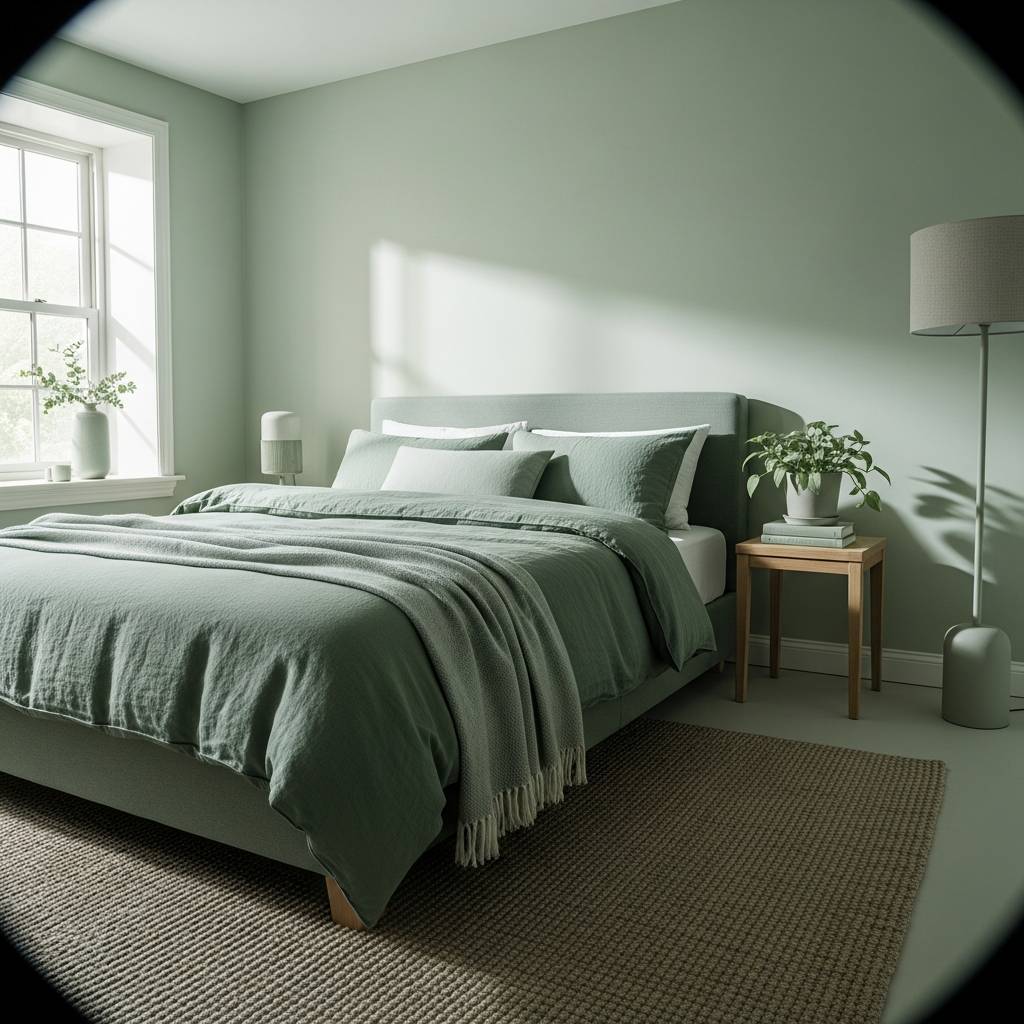
Using different shades of the same color creates a seamless flow throughout the room. When the walls, bedding, and curtains are in similar tones, there are no harsh visual breaks. This continuity makes the room feel unified and much larger than it actually is, while also providing a very sophisticated look.
19. Layer Bedding for Added Depth
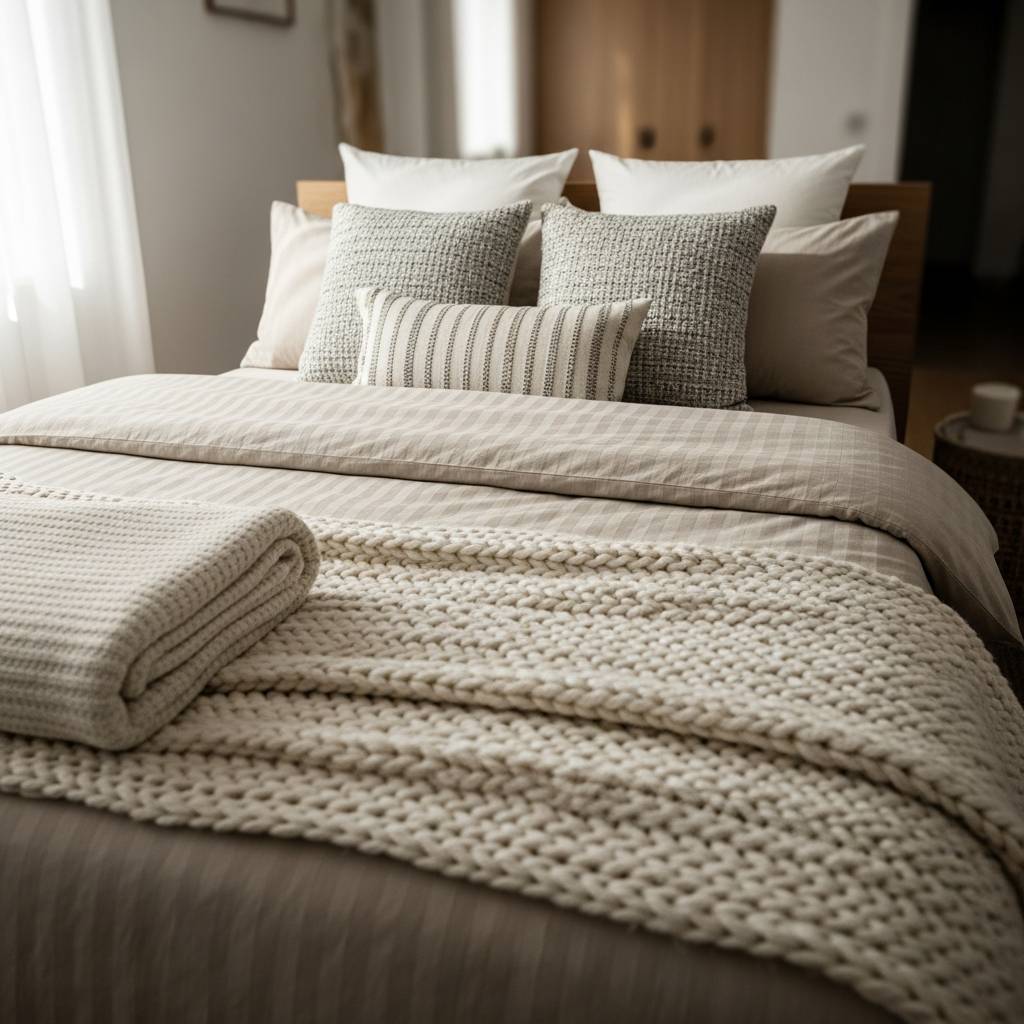
While you want to avoid clutter, adding layers of texture to your bed can actually make the room feel more intentional and high-end. Use a mix of pillows and a folded throw blanket to add depth. The key is to keep the colors coordinated so the bed looks like a cozy cloud rather than a messy pile.
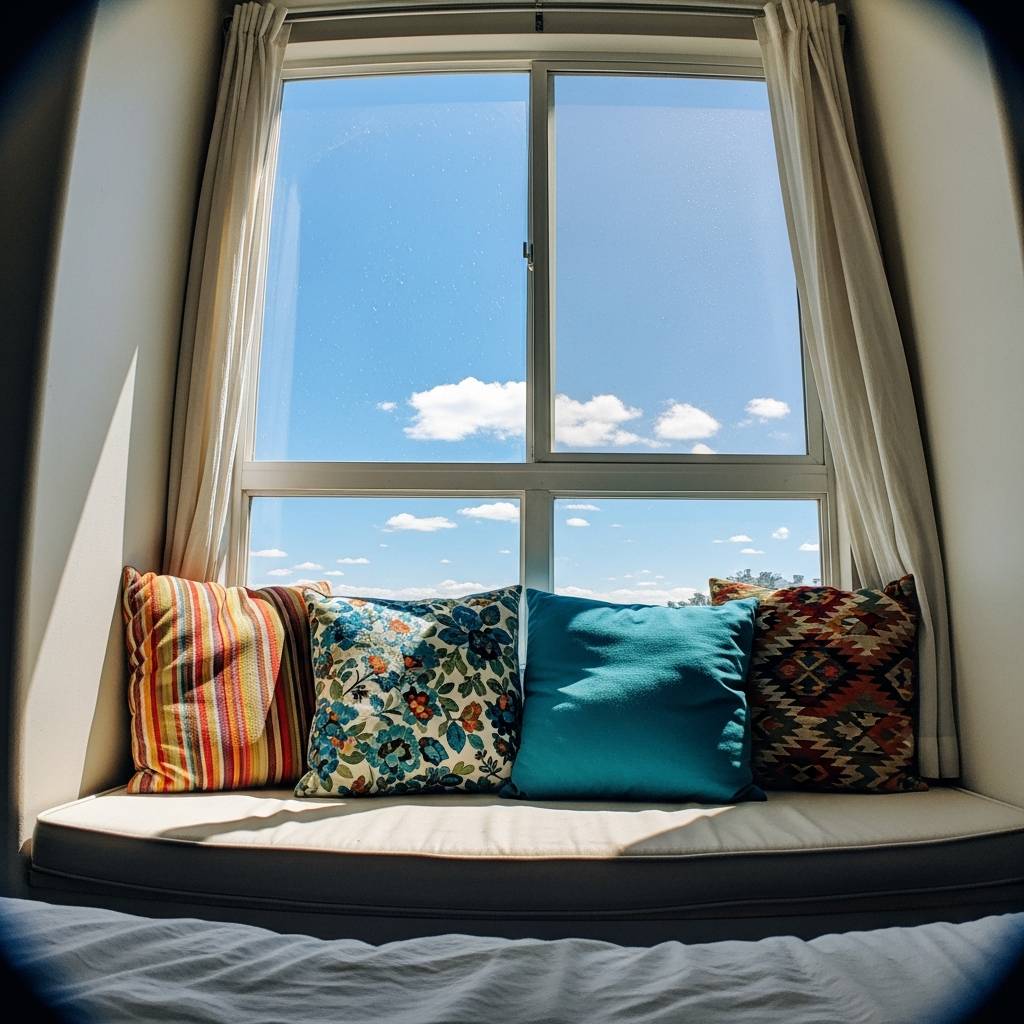
20. Transform the Window Nook into Seating
If you are lucky enough to have a window with a deep sill, turn it into a built-in bench or a reading nook. Adding a simple cushion and a couple of pillows creates an extra functional zone in the room without requiring any additional floor space. It is the perfect spot to enjoy your morning coffee.
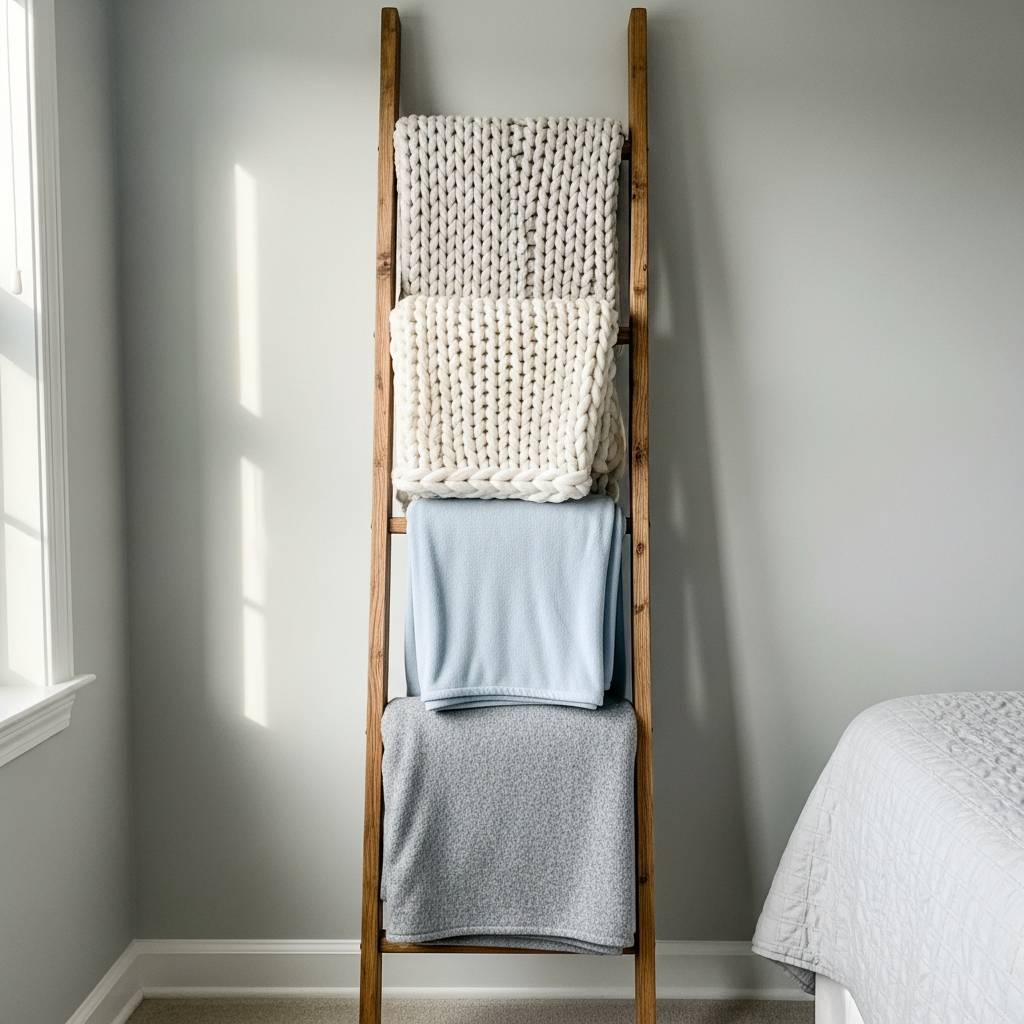
21. Use a Decorative Ladder for Linens
A leaning ladder is a vertical storage solution that adds a touch of rustic charm. It is perfect for hanging extra blankets or towels that would otherwise take up drawer space. Because it leans against the wall, it has a very small footprint and acts as a piece of functional art in the room.
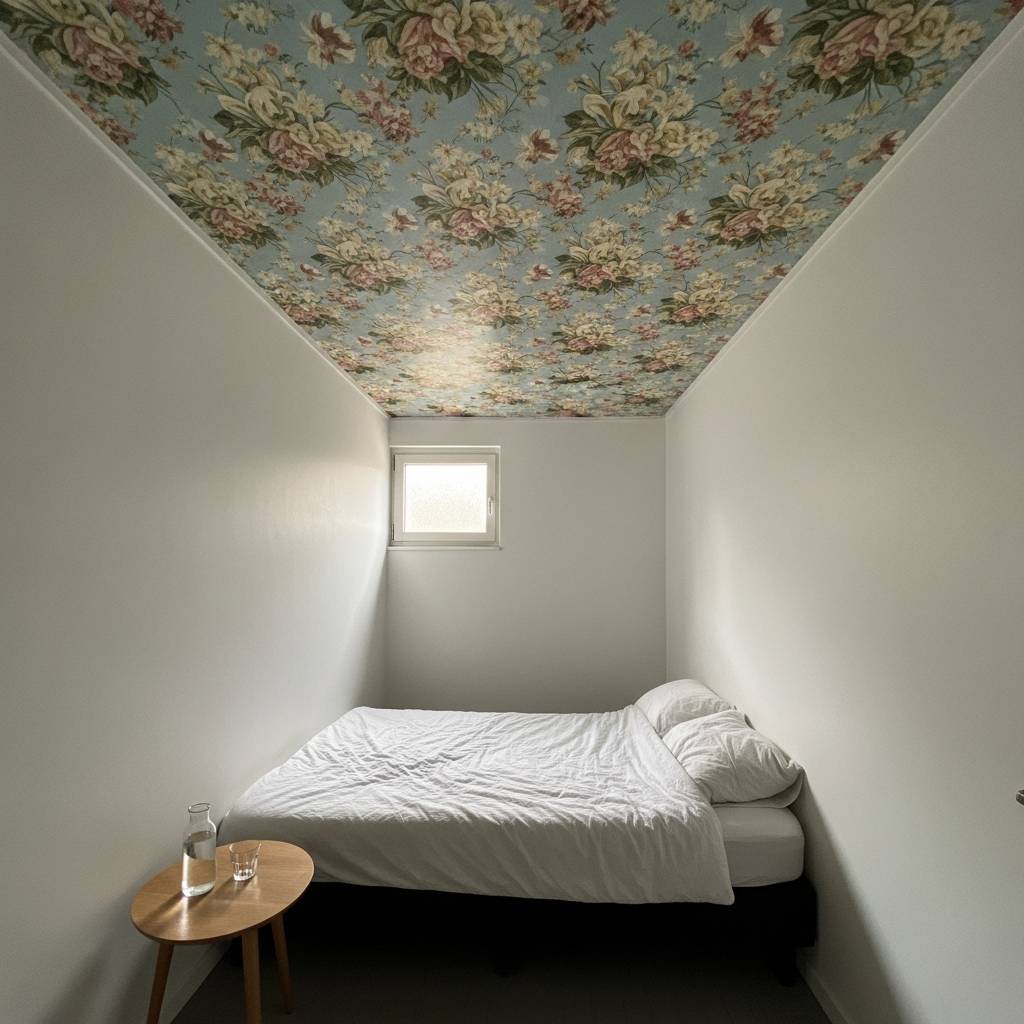
22. Draw the Eye Up with a Statement Ceiling
A statement ceiling, whether through a bold paint color or unique wallpaper, encourages people to look up. This highlights the height of the room and makes the floor area feel less cramped. It is a bold design move that adds character to a small space without cluttering the walls or floor.